If you’re wondering what to buy a man who loves leather goods, you’re already thinking in the right direction. There’s a particular kind of gift-buying panic that sets in when the person you’re shopping for is someone who genuinely loves quality things. He already has the obvious stuff. He’s particular about what he buys for himself. And he’d never describe what he actually wants because, honestly, he’d just go and buy it. Sound familiar? This is where leather goods quietly solve the problem for you.
Leather sits in an unusual sweet spot as a gift category. It’s personal without requiring you to guess a size too precisely. It’s practical without feeling like a hardware-store afterthought. And the range spans budgets from a thoughtful £25 to a genuinely impressive investment piece. Some of the best leather gift discoveries happen not on the high street but in proper workshops, the kind where pieces are made by hand and each one has its own character. That’s the spirit behind Two Fat Dogs, and it’s the spirit this guide is built around. By the end of it, you’ll know what to buy, how much to spend, and how to tell the real thing from something that just looks the part.
Why leather makes such a considered gift for men
The durability argument most people miss
Most gifts depreciate the moment you give them. A gadget becomes outdated. A bottle of something gets enjoyed and forgotten. Leather does the opposite. A quality leather wallet or belt doesn’t merely survive daily use, it improves with it. Full-grain leather develops a patina over months and years, deepening in colour and character in a way that makes it look richer, not worn out. That ageing process is part of what makes leather gifts feel different from everything else on the list.
This is why leather gifts carry a weight that generics don’t. You’re not just giving someone a thing. You’re giving him something that will look better on his desk, in his pocket, or over his shoulder in five years than it does on day one.
Everyday items with a personal dimension
Wallets, belts, and bags are things men use every single day but rarely upgrade for themselves. Many men will carry the same wallet until it falls apart, wear the same belt until the buckle gives up, and stick with the same bag long after it’s stopped serving them well. Gifting a properly made version of something he already carries gives your present an instant relevance that decorative items simply don’t have. You’re not adding to his shelf; you’re upgrading his daily life.
What to buy a man who loves leather goods: the best gift ideas by category
Wallets and card holders
This is the most popular category for good reason. The range of styles is wide: bifold, trifold, slim card holders, money clip wallets. UK price points typically run from around £10 to £35 at the entry level, £35 to £100 in the mid-range, and £100 upward for premium pieces. Handcrafted leather wallets sit noticeably above high-street options because they’re cut, stitched, and finished by hand rather than processed through a factory line. At Two Fat Dogs, our workshop-made wallets are the kind of thing that feels different the moment you hold one. Personalised wallets are commonly among the most popular leather gifts in the UK year-round, and it’s easy to understand why.
Belts, bags, and work accessories
A quality leather belt is one of those gifts that sounds unexciting until the recipient realises his current one is held together largely by optimism. Most men don’t replace belts until one finally wears out, which makes a well-made full-grain belt a genuinely useful gift rather than a decorative one. UK pricing runs from around £15 to £40 at the entry level, £40 to £120 in the mid-range, and £120 upward for premium.
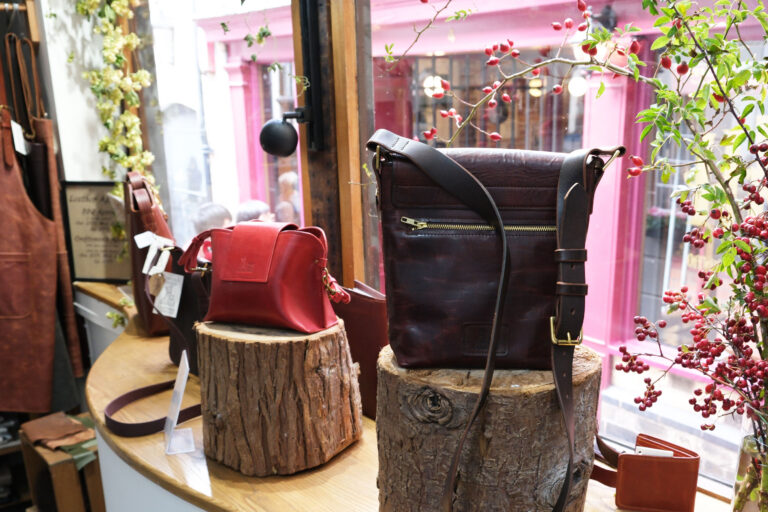
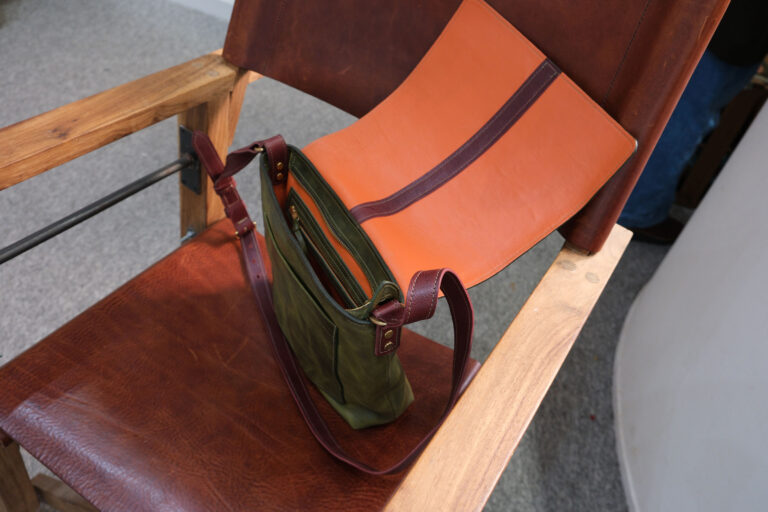
Leather bags open up the gift significantly. Everyday carry bags, work totes, and messenger styles all sit in the £40 to £300 range depending on construction and materials, with premium handcrafted pieces running higher. Bags from small workshops carry an authenticity that mass-market options simply cannot replicate, not because of branding, but because you can see the craft in every seam and edge.
Smaller leather accessories worth considering
Journal covers, Dopp kits, luggage tags, keyrings, watch straps, and camera straps are all worth your attention, particularly for smaller budgets or as additions to a larger gift. Small accessories made by artisan makers often show more visible craft than bigger pieces from chain retailers, because on something that small, every stitch and edge finish is immediately visible and there’s no hiding a rushed job.
Leather gifts for every budget
Under £40: thoughtful and practical starting points
Card holders, keyrings, luggage tags, and leather-bound journals all sit comfortably in this range. The key distinction here is material: choosing full-grain or vegetable-tanned leather over something labelled simply “genuine leather” (which often refers to split leather from lower hide layers) makes a genuine difference in how long the gift looks good. A well-made handcrafted piece can outperform a mass-produced item even at a lower price point, though results will vary by material and construction. The label matters less than the leather underneath it.
£40 to £120: the sweet spot for most occasions
This is where wallets, belts, and smaller bags sit, and it’s where the real craftsmanship options open up. Workshop-made pieces, personalised options, and full-grain construction all become accessible in this range. At Two Fat Dogs, this is the tier where you’ll find pieces that don’t look like gifts, they look like considered purchases that happen to be beautifully wrapped. It’s also where the difference between high-street markup and genuine artisan pricing becomes very clear.
£120 and above: investment pieces that last decades
Leather bags, premium belts, and bespoke commissions all live here. At this level, you’re paying for the quality of the hide, the hours of hand work, and the fact that no two pieces are identical. These aren’t gifts; they’re heirlooms, and it’s worth letting him know what he’s holding when you give one.
How to spot quality leather before you buy
Grain types explained without the jargon
Full-grain leather keeps the outermost layer of the hide completely intact, including its natural pores, small scars, and subtle texture variations. It ages the best and is the most durable option available. Top-grain leather comes from the same outer layer but is sanded smooth for a more uniform appearance; it’s slightly less durable but looks cleaner out of the box. Meanwhile, “genuine leather,” despite sounding reassuring, is a marketing label that frequently refers to split leather from lower hide layers, it’s real leather, technically, but it’s usually the least premium option of the three.
When you’re shopping in person, look for natural variation in texture rather than a perfectly uniform surface. A surface that looks a little too consistent, almost plastic-like in its evenness, is usually a sign of heavily corrected or coated leather rather than the natural grain you actually want.
What to look at when you can’t feel the leather in person
Online purchases require a different checklist. Look at the stitching: it should be straight, even, and consistent with no loose threads or skipped stitches. Check the edge finishing: smooth and clean, not rough or fraying. Look at the hardware alignment, because misaligned buckles or crooked rivets signal rushed construction. Buy from makers who show close-up process photography or describe their tanning method clearly, that transparency signals genuine accountability about materials. Many workshop-based makers, including Two Fat Dogs, publish process photos and production details that give you a much clearer picture of what you’re buying compared with some mass-market suppliers.
Personalisation options that make the difference
What can be personalised and how
The most common personalisation options are embossed or debossed initials, hot-stamped monograms, custom names or dates, and coloured foil stamping in gold or silver. Wallets, card holders, belts, journal covers, and luggage tags all take embossing particularly well. Leather bags can often be personalised with a hardware name plate or an embossed strap. Artisan makers are generally far more flexible with personalisation requests than mass retailers, because the work is done by hand in the first place rather than added as an afterthought through a third-party service.
Planning ahead: lead times to know about
Personalised leather gifts are made to order, which means they need more lead time than pulling something off a shelf. As a general rule, allow extra production time, lead times vary by maker, so check the product page or ask the maker directly rather than assuming a standard online delivery window applies. Ordering from a workshop rather than a retail chain usually means faster, more direct communication about timelines, and a much more honest answer when you ask whether something can be ready in time.
The care card: what to pass along with the gift
Why a simple care guide matters
One of the most common reasons leather gifts look tired after a year is that the recipient didn’t know how to look after them. Leather rewards attention. Including a short care guide with your gift is a genuinely thoughtful touch that extends the life of what you’ve given and shows the kind of consideration that separates a good gift from a great one.
Three care rules that cover most leather items
Keep it simple. Clean with a soft, slightly damp cloth and avoid soaking the leather. Condition every few months with a dedicated leather conditioner or balm, not a household product. Store in a breathable dust bag away from direct heat and sunlight, and never in a plastic bag or near a radiator. A small tin of leather balm included with the gift is an inexpensive addition that reinforces all three rules without requiring the recipient to read a manual.
What should you buy a man who loves leather goods? Here’s your answer
The answer is usually simpler than it feels. Pick something handcrafted over mass-produced. Prioritise full-grain leather. Add a personal touch where you can. Do those three things and the gift will land, regardless of which category you choose.
As a quick reminder of the budget tiers: under £40 covers small accessories and card holders; £40 to £120 opens up wallets, belts, and smaller bags; £120 and above is where investment pieces and bespoke commissions live.
If you’d like a clear next step, get in touch with our team at Two Fat Dogs or browse our workshop range directly. Every piece is made on-site by craftspeople invested in the work, not pulled from a factory line. The man who loves leather goods is genuinely one of the easier people to buy for. You just had to know where to look.
Frequently asked questions
What to buy a man who loves leather goods?
A handcrafted leather wallet, belt, or personalised card holder are all strong choices. Prioritise full-grain leather and add personalisation where you can, initials or a name transforms a quality item into something genuinely memorable.
What is the best leather gift for a man on a budget?
Card holders, keyrings, and luggage tags from artisan makers offer excellent quality under £40. Look for vegetable-tanned or full-grain leather even at this price point, the difference in longevity is significant.
Should I consider faux leather alternatives when buying a gift?
Faux leather, including PU leather and plant-based alternatives such as Piñatex, has improved considerably and may suit buyers with ethical concerns about animal products. That said, most faux leather still wears faster than quality full-grain hide and doesn’t develop the same patina over time. If sustainability is the priority, look for makers who use vegetable tanning and ethically sourced hides alongside, or instead of, faux options, and be upfront with the recipient about the material so he can care for it appropriately.
How far ahead should I order a personalised leather gift?
Lead times vary by maker, so always check directly rather than assuming standard delivery windows apply. Workshop makers can usually give you an honest answer quickly, it’s one of the advantages of ordering from a small, hands-on studio rather than a large retailer.